~ News ~
Orkestar Bez Ime Band Member Profiles
The band combines Balkan folk traditions with contemporary arranging, led by instrumentalists who shape each melody and rhythm. Profiles below describe musical roots, practical roles, rehearsal habits, recording choices, cultural stewardship, touring realities, and plans that guide the ensemble forward.
Core players, roles, and musical identities
The lead violinist anchors melody and modal ornamentation, tracing early study in regional folk schools and conservatory technique. Training often includes repertory from Bosnian sevdalinka, Serbian and Macedonian folk songs, and Roma fiddling. Influences range from classical violinists to village fiddlers; the melodic role includes improvisation, microtonal inflection, and the design of countermelodies that define many arrangements.
The accordionist brings harmony, bassline support, and rhythmic accent. Technique blends free-bass and stradella approaches, bellows phrasing for dynamics, and modal voicings that mirror regional scales. Songwriting contributions often shape form and groove; the accordion is frequently the vehicle for re-harmonizing traditional tunes into extended suites.
Guitar and bass provide stylistic breadth. The guitarist favors single-note counterlines, percussive strumming in odd meters, and selective use of effects pedals to complement acoustic tones. Bassists anchor pulse with time-feel choices that move between walking lines, root-fifth patterns, and ostinato riffs adapted to 7/8, 9/8, and 11/8 meters. The percussionist combines hand percussion, drum kit, and frame drums to recreate village and urban rhythms with authenticity.
Vocalists perform in Bosnian, Serbian, Croatian, Romani, and English when original compositions call for it. Storytelling is central: phrasing and dialectal pronunciation preserve narrative authenticity while shaping stage performance.
Embedded below is a concise reference summarizing each member's contributions and techniques. This is placed within the discussion so it sits inside contextual writing and is not the opening or closing element.
| Role | Primary instrument | Core technique or style | Arrangement focus | Typical repertoire |
|---|---|---|---|---|
| Lead violinist | Acoustic violin | Ornamented melody, modal microtones | Melodic lead, counterpoint | Sevdalinka, kolo, Oro |
| Accordionist | Piano accordion | Bellows phrasing, modal harmony | Harmonic architecture, intro/outro | Instrumental suites, dance tunes |
| Guitarist | Nylon and steel string | Percussive strumming, single-note lines | Textural fills, rhythmic drive | Reharmonized folk songs, originals |
| Bassist | Upright / electric | Root motion, groove in odd meters | Rhythmic foundation,合作with drums | Dance rhythms, slow laments |
| Percussionist | Frame drum, drum kit | Asymmetric meters, tabla-like rolls | Groove definition, tonal color | Asymmetric dances, ritual rhythms |
| Vocalists | Lead and backing | Dialectal phrasing, call-and-response | Lyric delivery, vocal arrangements | Ballads, work songs, oral poetry |
Following the summary, specific practices include written parts supplemented by lead sheets. Arrangements prioritize a balance between fixed notation and space for improvisation; solo sections are often guided by chord charts and time signature markers.
Rehearsal methods, recording, and touring realities
Rehearsal sessions combine sectional run-throughs with full ensemble work. Communication uses concise terminology for meters, cueing for tempo changes, and named motifs to avoid confusion on stage. Practical rehearsal routine includes slow mapping of complex meters, followed by tempo increases and mock stage runs to practice movement and vocal mic technique. Recording sessions favor live ensemble tracking to retain interplay. Microphone choices often include ribbon mics for strings, large-diaphragm condensers for accordion, and dynamic microphones for vocals to handle projected singing. Production choices emphasize natural room acoustics and minimal editing to preserve phrasing and breath.
Touring life requires precise logistics. A single European week of concerts typically involves coordinated transport for instruments, backline checks, and customs documentation for specialty instruments. Memorable shows often take place at cultural festivals in Ljubljana, Sarajevo, and Belgrade where audience familiarity allows extended dance sets. Behind the scenes, stage plots, input lists, and shared spreadsheets reduce load-in time and minimize equipment risk.
Cultural heritage, collaborations, and outreach
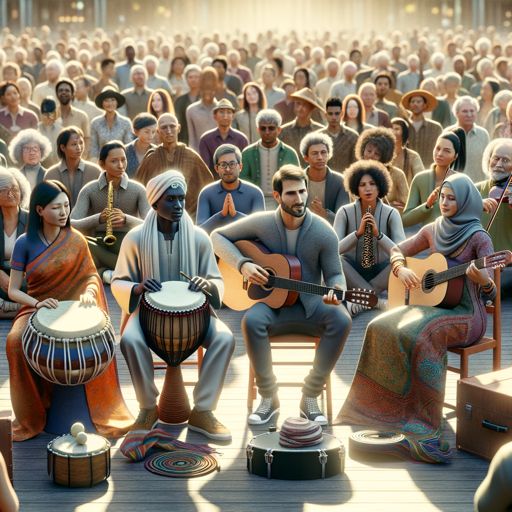
Preserving regional traditions is central. The repertoire includes rural and urban styles from the Western Balkans and Roma musical language. Workshops are conducted at conservatories and cultural centers focusing on rhythmic literacy in 7/8 and 9/8, ornamentation practice, and ensemble arranging. Collaborations span guest brass players, kaval and gaida players, and guest vocalists from local traditions. Archival work archives live recordings, annotated charts, and oral histories to support legacy. New compositions integrate field material with original harmonic frameworks, and planned recordings aim to document both traditional sets and new suites.
Creative workflow, gear, resilience, and advice
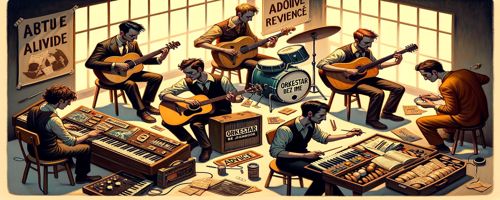
Creative process begins with a motif, often a melodic fragment, then expanded by harmonic reharmonization and rhythmic reshaping. Gear highlights include quality strings for violins, a Roland digital accordion system when needed, a warm preamp for vocal capture, and upright bass setups that favor low-end clarity. Maintenance routines include weekly instrument humidity checks, scheduled string changes, and pre-tour electronics tests.
Practical advice for emerging players:
- Practice asymmetrical meters slowly with a metronome until internalized.
- Learn regional ornamentation by transcribing village recordings.
- Prioritize ensemble listening over solo showmanship.
Rapid answers from each role clarify priorities: the violinist emphasizes melodic storytelling, the accordionist stresses phrasing and bellows control, the guitarist seeks textural restraint, the bassist focuses on locking with percussion, and vocalists prioritize intelligibility in regional dialects.
Future aspirations include new collaborative albums, expanded educational residencies in Balkan cultural centers, and a digitized archive accessible to teachers and researchers. The ensemble continues evolving while keeping the musical core rooted in living tradition.


